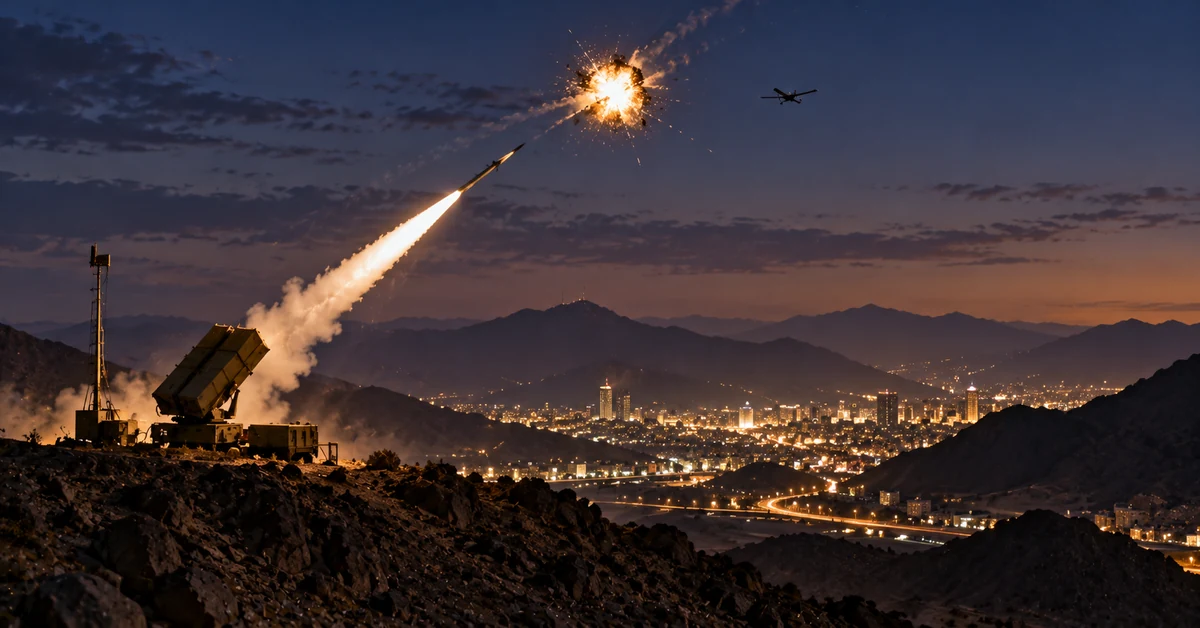







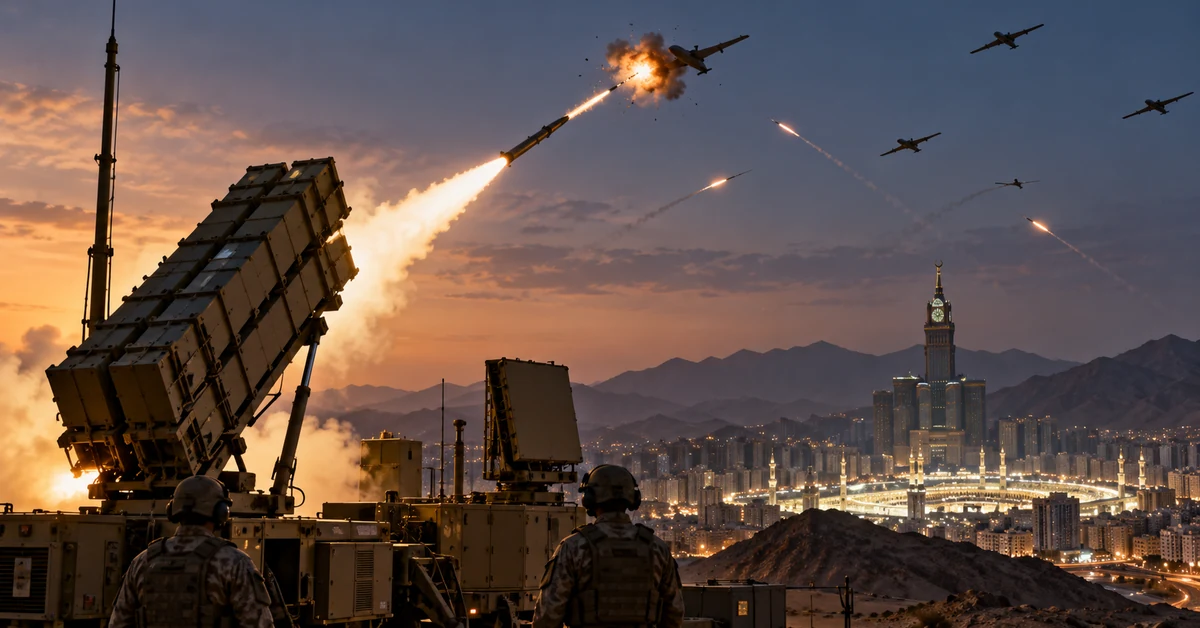
Saudi Arabia is reportedly running short of missile interceptors as it attempts to defend the kingdom against continuing Houthi missile and drone attacks, prompting Riyadh to seek assistance from several other countries.
Two regional officials told the Associated Press that Saudi Arabia has approached Britain, France, Pakistan and Egypt for air-defence support as pressure grows on its existing stocks.
Saudi officials had not publicly confirmed the requests when AP reported them.
The kingdom is attempting to protect military bases, government facilities and critical oil infrastructure while the Iran-aligned Houthis continue launching missiles and drones from Yemen.
US stocks also under pressure
Saudi Arabia has traditionally relied heavily on American weapons and air-defence systems.
But one regional official told AP that the United States is itself facing depleted interceptor stocks following six months of war with Iran.
That potentially limits Washington’s ability to replenish Saudi inventories quickly while maintaining its own requirements.
No Saudi ally had visibly committed additional military support at the time of the report.
Britain and France both possess advanced air-defence capabilities, while Pakistan and Egypt have longstanding security relationships with Saudi Arabia.
Egypt and Oman are also pursuing diplomatic efforts aimed at reducing the conflict.
The ammunition problem
The reported shortage illustrates a weakness that can emerge even when air-defence systems successfully destroy incoming weapons.
Every interception consumes ammunition.
Modern interceptor missiles can be considerably more expensive and difficult to manufacture than many of the drones and missiles they are used against.
An attacker therefore does not necessarily need to penetrate the defence every time to create a strategic problem.
Repeated attacks can force the defender to consume limited interceptor stocks until replacement becomes increasingly difficult.
Saudi Arabia is currently attempting to defend multiple categories of targets across a large territory.
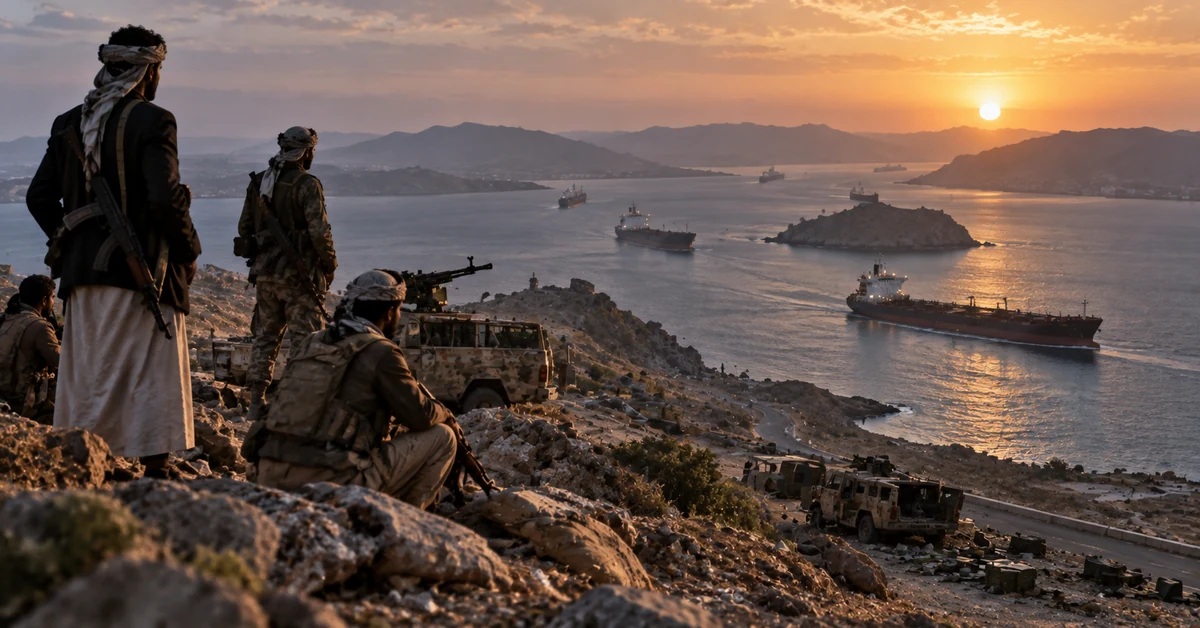
The pressure comes as Houthi forces have also advanced along Yemen’s Red Sea coast, strengthening their position around the Bab el-Mandeb Strait.
Saudi Arabia said this week that its air defences destroyed a Houthi drone south of Mecca before it entered restricted airspace around Islam’s holiest city. The Houthis denied targeting Mecca.
The immediate question for Riyadh is therefore changing.
It is not simply whether Saudi air defences can intercept Houthi missiles and drones.
It is whether they can continue doing so faster than their ammunition stocks are depleted.
Sources
- Associated Press – Saudi missile-defence stocks reportedly running short
- Reuters – Saudi Arabia says Houthi drone intercepted south of Mecca
Join the Dissenting Citizen Newsletter
Independent news and commentary delivered directly to your inbox.
Breaking stories, analysis and commentary throughout the day.
Follow @VoxDissent →