








Austria’s Documentation Centre Political Islam says political-Islam networks are increasingly packaging ideological outreach through fitness, entrepreneurship, relationships, self-improvement and social-media personalities.
The government-backed research body published its latest annual report on September 10, describing a professionalisation of political-Islam networks across German-speaking Europe.
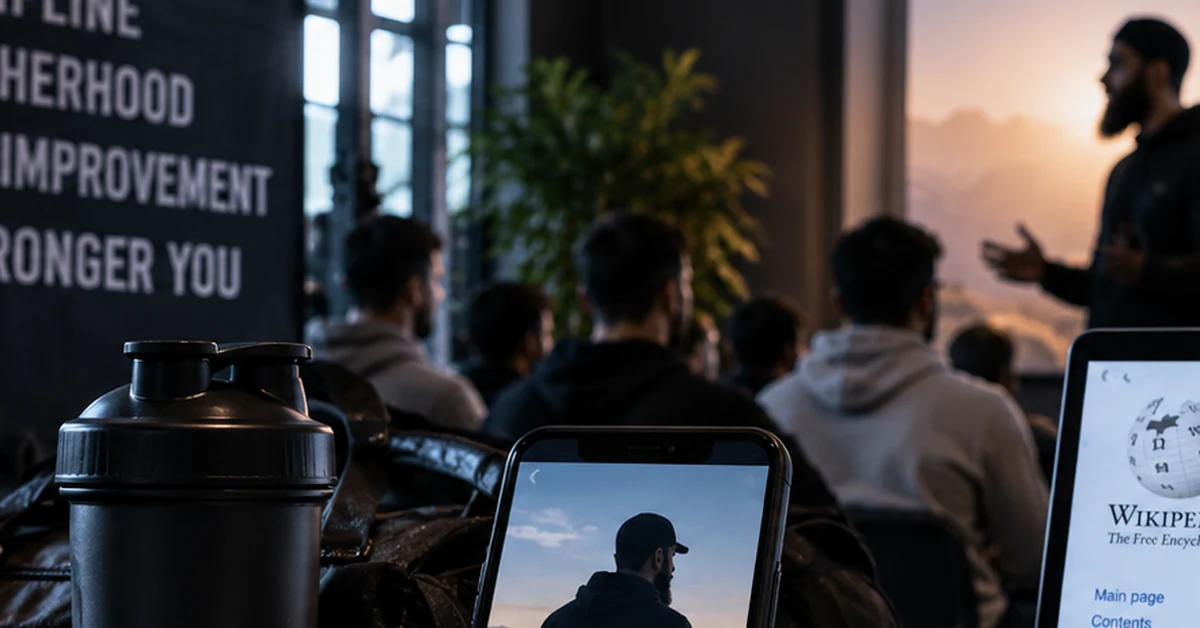
Among the developments identified is an emerging Islamist “manosphere” targeting young men through content centred on physical fitness, discipline, business success and ideas of masculinity.
The report highlights Rujulah 1000, a project offering courses, retreats and business-networking activities.
Its organiser, Sertac Odabas, rejects hatred, violence and intolerance and says the project has no political objectives.
The DPI also identifies attempts to influence publicly available information about political Islam online.
It says users have repeatedly altered German-language Wikipedia articles concerning the Muslim Brotherhood, including by removing critical material or adding sources presenting the organisation more positively.
According to the DPI, some of the same accounts have also edited pages concerning critics of the Brotherhood.
The watchdog says the development has acquired additional significance because AI chatbots and search systems increasingly draw upon publicly available online sources when generating answers.
The report therefore identifies two changing methods of influence: ideological material presented through mainstream lifestyle culture, and attempts to shape the online information subsequently consumed by both people and AI systems.
Sources
- Documentation Centre Political Islam – Annual report summary
- APA-OTS – DPI annual report release and findings
Join the Dissenting Citizen Newsletter
Independent news and commentary delivered directly to your inbox.
Breaking stories, analysis and commentary throughout the day.
Follow @VoxDissent →