








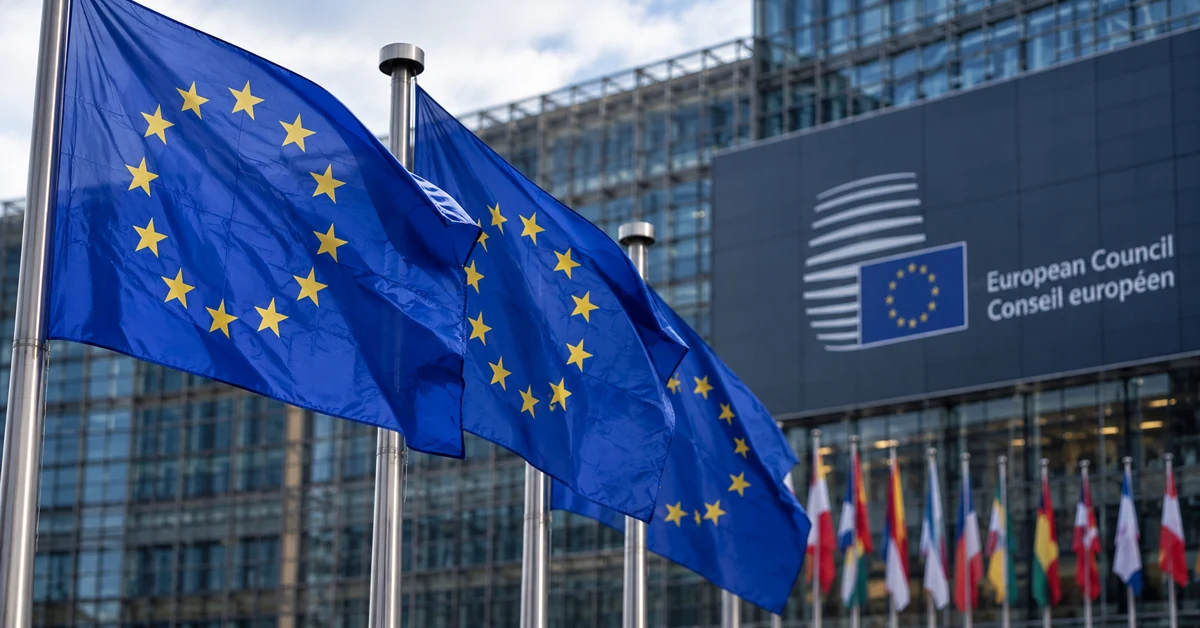
EU ambassadors have failed to agree the routine six-month renewal of sanctions listings covering nearly 3,000 individuals and companies, forcing the bloc to extend them for just seven days.
The sanctions will now remain in force until September 22 while negotiations continue.
The immediate dispute concerns Russian-Uzbek billionaire Alisher Usmanov.
France has joined Slovakia in seeking his removal from the sanctions list, with Paris citing a specific national-security concern.
Neither government is demanding that the broader sanctions regime against Russia be dismantled.
The sanctions have not expired.
But because EU sanctions require unanimity among all 27 member states, disagreement over an individual listing has prevented approval of the entire six-month package.
27 countries, 27 vetoes
The seven-day extension avoids an immediate lapse while governments search for a compromise.
It also exposes the structural weakness built into EU foreign policy.
Nearly 3,000 sanctions listings can be supported by almost the entire bloc and still become hostage to disagreement between individual governments.
Unanimity protects national sovereignty.
It also means every member state retains leverage over decisions affecting the whole union.
The EU increasingly talks about becoming a geopolitical power capable of acting independently alongside the United States and China.
For the next seven days, nearly 3,000 Russia sanctions listings depend on 27 governments agreeing unanimously.
Sources
Join the Dissenting Citizen Newsletter
Independent news and commentary delivered directly to your inbox.
Breaking stories, analysis and commentary throughout the day.
Follow @VoxDissent →