









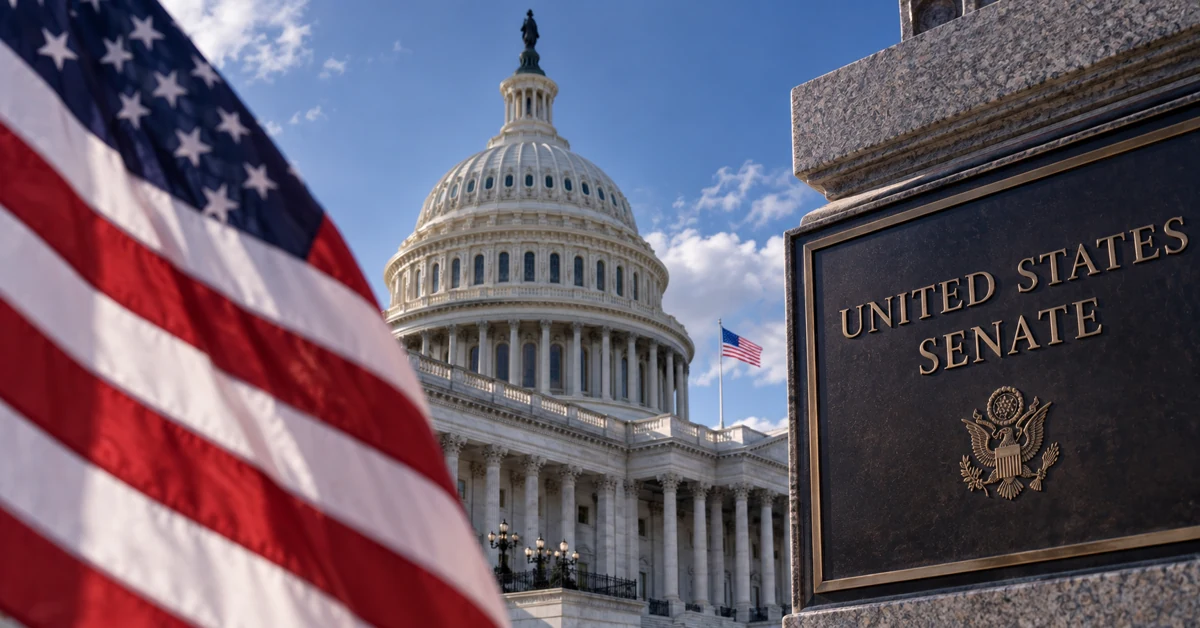
U.S. senators are considering imposing a legal duty of care on frontier AI companies, with government auditors potentially empowered to enter companies and test advanced models for catastrophic risks.
The proposal would require developers to demonstrate that they had taken reasonable precautions against serious harm.
The Commerce Secretary could demand evidence of compliance and deploy government auditors to test AI products directly.
Senate negotiations involve Majority Leader John Thune, Commerce Committee Chairman Ted Cruz and Democratic Senator Amy Klobuchar.
Lawmakers are also discussing a federal-court process for cases where the government seeks to prevent an AI company releasing a model it considers unsafe.
The legislation remains under negotiation.
What constitutes “reasonable” precautions has not yet been defined, while Donald Trump has already signalled opposition to additional AI-specific regulation.
From promises to liability
Frontier laboratories currently make extensive commitments about testing, safeguards and responsible deployment.
A legal duty of care would change the nature of those commitments.
If an advanced model caused serious harm, the question would no longer be simply whether its developer followed its own safety policies.
A court could potentially have to determine whether the company took reasonable precautions before releasing it.
There is an obvious danger at either extreme.
Define the duty too narrowly and it becomes another compliance exercise.
Define it too broadly and government acquires enormous discretion over technologies companies are permitted to release.
After repeated warnings about increasingly autonomous AI systems, Washington is moving towards a more consequential question.
Who carries the legal responsibility when something goes catastrophically wrong?
Sources
Join the Dissenting Citizen Newsletter
Independent news and commentary delivered directly to your inbox.
Breaking stories, analysis and commentary throughout the day.
Follow @VoxDissent →