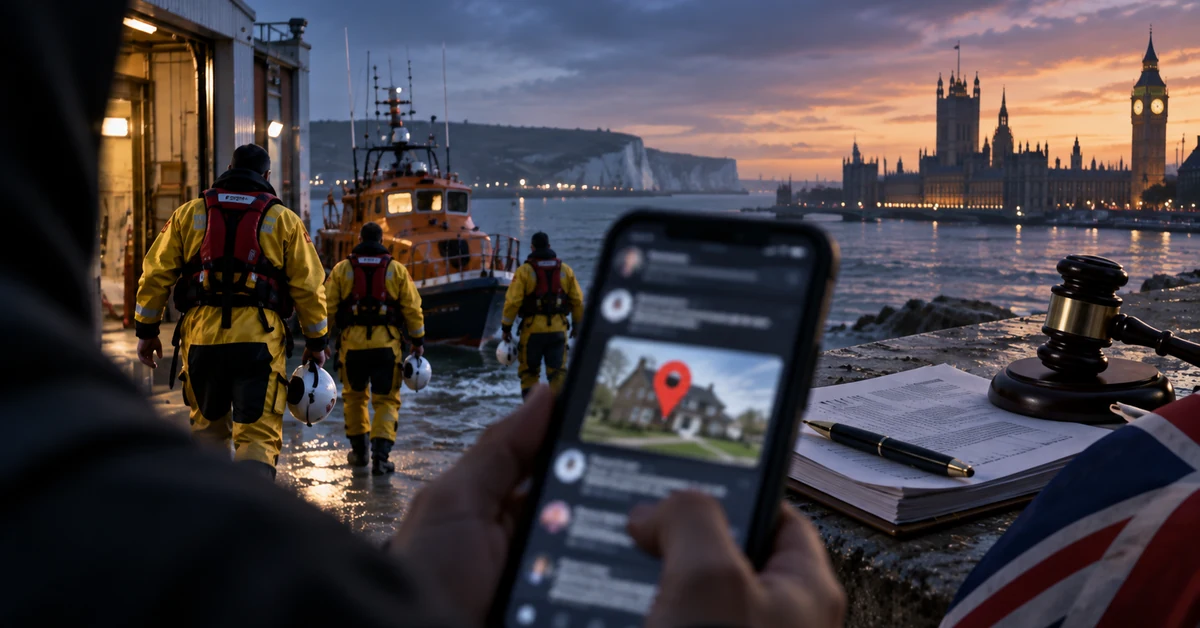







A US federal court has dismissed a lawsuit brought by 4chan and Kiwi Farms against Britain’s communications regulator Ofcom, but stopped short of deciding whether enforcement of the UK’s Online Safety Act could conflict with American free-speech protections.
Judge Rudolph Contreras ruled that the US-based platforms could not use an American court to pre-emptively block Ofcom from pursuing regulatory action against them.
Instead, they must first defend themselves through the British legal process.
The ruling gives Ofcom a procedural victory but does not resolve the central First Amendment question raised by the case.
‘Sword’ rather than a ‘shield’
The platforms had sought to prevent Ofcom from enforcing requirements under Britain’s Online Safety Act against their US operations.
Contreras said they were effectively attempting to use the American courts as a “sword” rather than a “shield” against prospective foreign regulatory action.
If Ofcom ultimately obtains a judgment in Britain and subsequently attempts to enforce that judgment against the companies in the United States, the legal position could be different.
The platforms could potentially return to an American court and argue that enforcement would violate US constitutional protections.
That means the substantive conflict has been postponed rather than decided.
Which country’s rules govern the internet?
Britain’s Online Safety Act applies to services with links to the UK, including overseas platforms accessible to British users.
That gives Ofcom regulatory reach beyond companies physically based in Britain.
The difficulty arises when material regulated under British law is lawful in the country where a platform operates.
The First Amendment provides significantly broader protection for some categories of speech than British law.
A US platform can therefore potentially face demands from a British regulator concerning material that the American government itself could not constitutionally prohibit.
That creates a conflict between two legitimate principles.
Britain claims the right to determine what rules apply to online services offered to people within its territory.
American companies retain constitutional protections under US law.
The larger fight remains
The dismissal does not establish that Britain’s Online Safety Act overrides the First Amendment.
Nor does it establish that American constitutional protections prevent Ofcom from regulating overseas services used in Britain.
It means that question was not yet properly before the US court.
Ofcom can continue using the British regulatory process.
The constitutional confrontation may come later if a British judgment eventually reaches the United States for enforcement.
At that point, an American court could face the question this case has temporarily avoided.
If speech is lawful and constitutionally protected where a platform is based, but regulated where some of its users live, which country’s rules ultimately prevail?
Source
Join the Dissenting Citizen Newsletter
Independent news and commentary delivered directly to your inbox.
Breaking stories, analysis and commentary throughout the day.
Follow @VoxDissent →