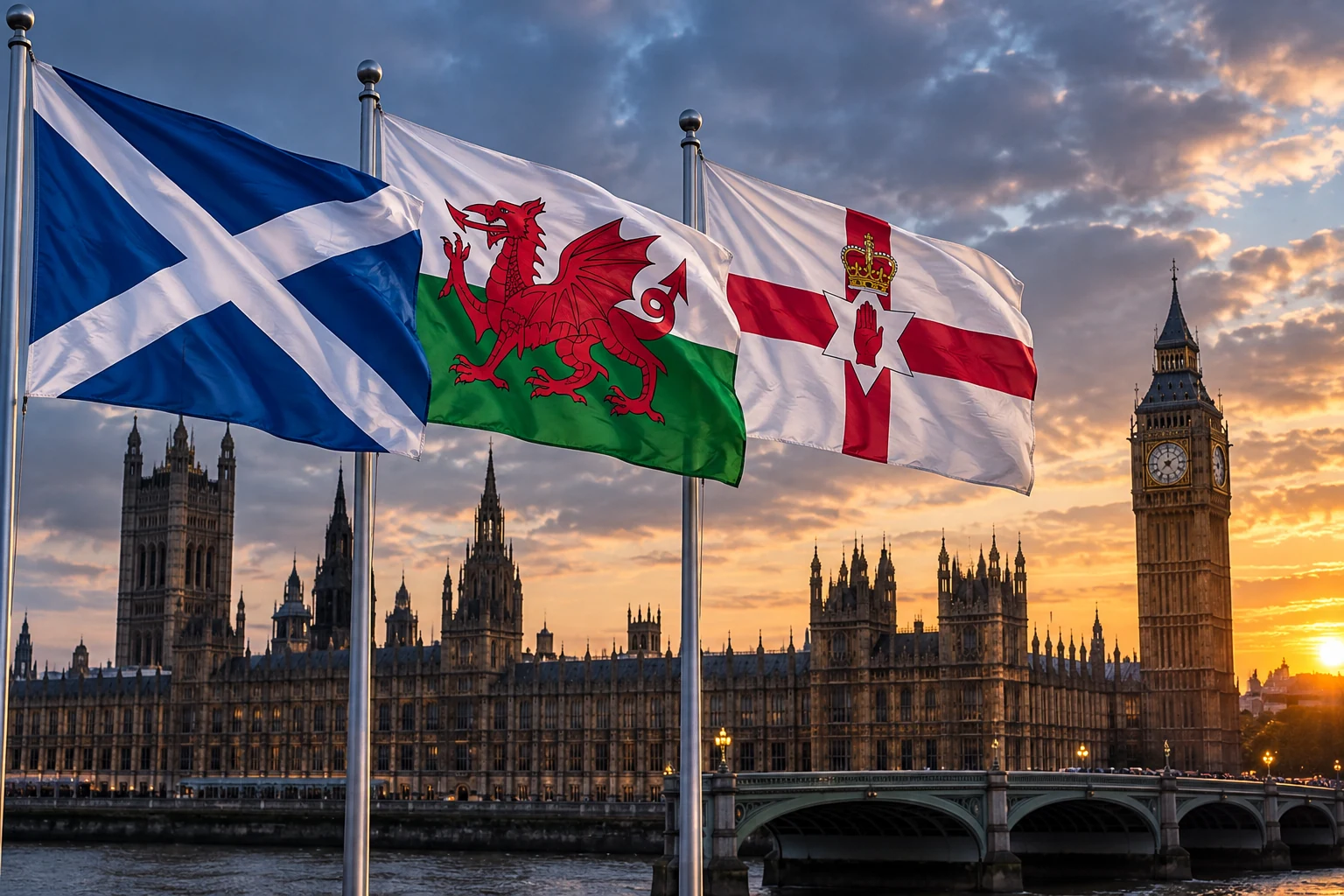









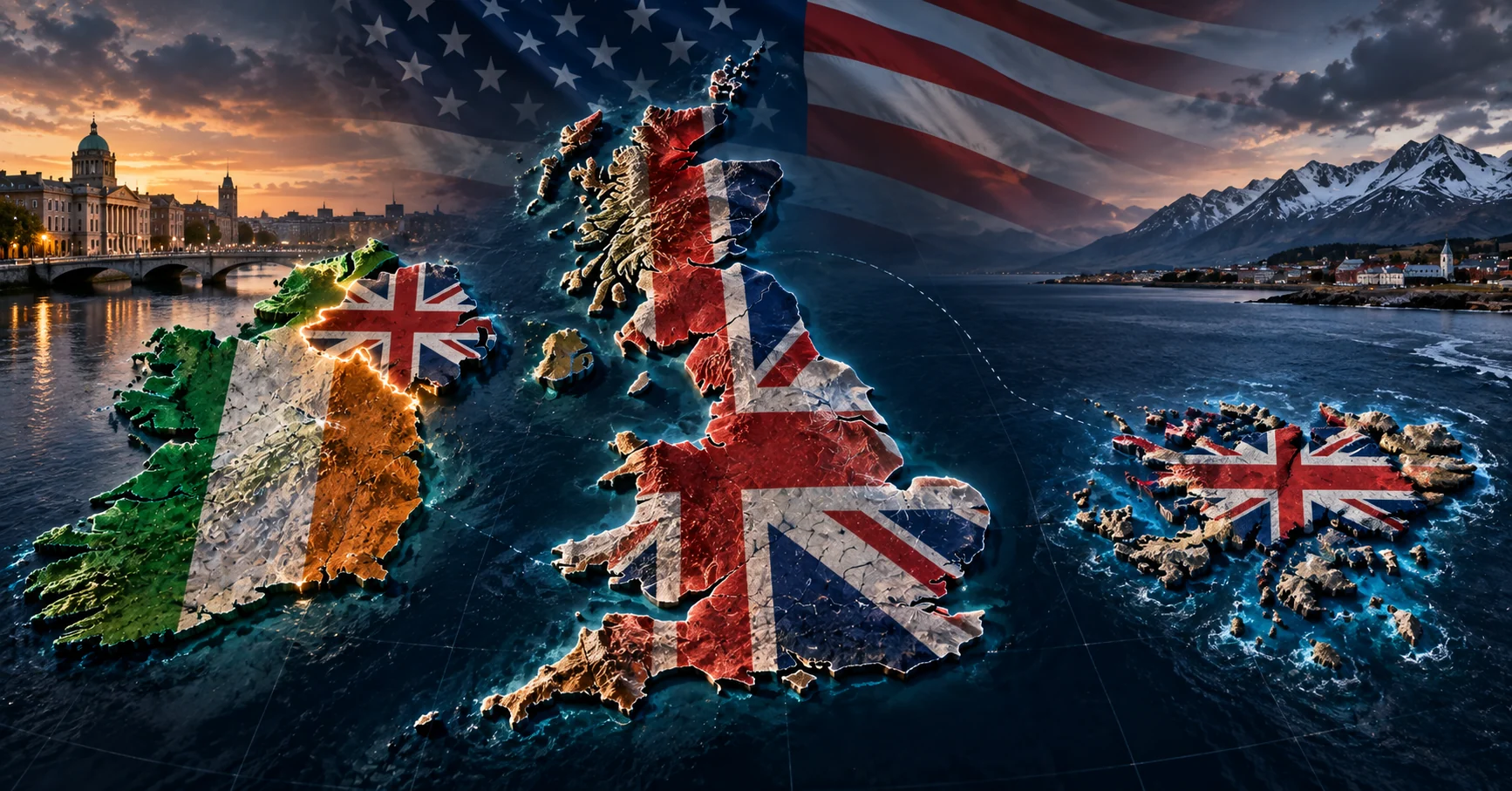
Donald Trump has stepped into two of Britain’s most sensitive sovereignty disputes in the space of a single visit, expressing support for a united Ireland while questioning Britain’s ability to retake the Falkland Islands if Argentina seized them again.
Speaking in Dublin, Trump said he would “love” to see Northern Ireland reunify with the Republic of Ireland, predicted that reunification would eventually happen and described such an outcome as “fantastic”.
The intervention is significant because American presidents have generally been cautious about publicly taking sides over Northern Ireland’s ultimate constitutional status.
Under the arrangements established through the Good Friday Agreement, Northern Ireland remains part of the United Kingdom unless a majority of its people chooses otherwise through the established democratic process.
The British government’s position remains unchanged.
Prime Minister Andy Burnham has said there is currently insufficient evidence of majority support in Northern Ireland to justify another referendum.
DUP leader Gavin Robinson also rejected Trump’s intervention, arguing that Northern Ireland’s constitutional future belongs to its people rather than politicians in Washington, London or Dublin.
But Northern Ireland was not the only British sovereignty issue Trump addressed.
During the same visit, the U.S. president returned to the dispute over the Falkland Islands.
Argentina’s President Javier Milei has recently intensified his country’s longstanding sovereignty claim over the islands.
Trump expressed scepticism about whether Britain could repeat its successful military response to Argentina’s 1982 invasion if the islands were seized again.
He also suggested that the United States might ultimately be called upon to help resolve a future confrontation.
Trump did not endorse an Argentine seizure of the Falklands in those remarks.
The two disputes are constitutionally different.
Northern Ireland’s status is governed by a negotiated framework explicitly providing for the possibility of constitutional change through democratic consent.
The Falkland Islands are a British Overseas Territory whose inhabitants have overwhelmingly expressed their desire to remain British.
But both issues ultimately involve the same underlying principle: self-determination.
The United States is entitled to express views about either dispute.
It does not determine their outcomes.
That principle should not depend on whether the American president expressing a contrary opinion is politically popular with people in Britain.
Supporters of Trump can approve of his policies on immigration, trade, defence or any other issue while disagreeing fundamentally with him over British sovereignty.
Political allegiance to a foreign leader should never override the constitutional rights of British people and territories.
British territory is not Washington’s to bargain away.
Northern Ireland’s future belongs ultimately to the people of Northern Ireland under the established constitutional settlement.
The Falkland Islanders have repeatedly made their own preference clear.
The harder test of sovereignty is therefore not defending it when a political opponent challenges it.
It is defending exactly the same principle when the challenge comes from an ally you otherwise support.
More to follow.
Sources: Reuters; Associated Press
Join the Dissenting Citizen Newsletter
Independent news and commentary delivered directly to your inbox.