





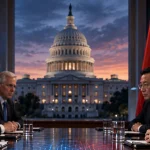
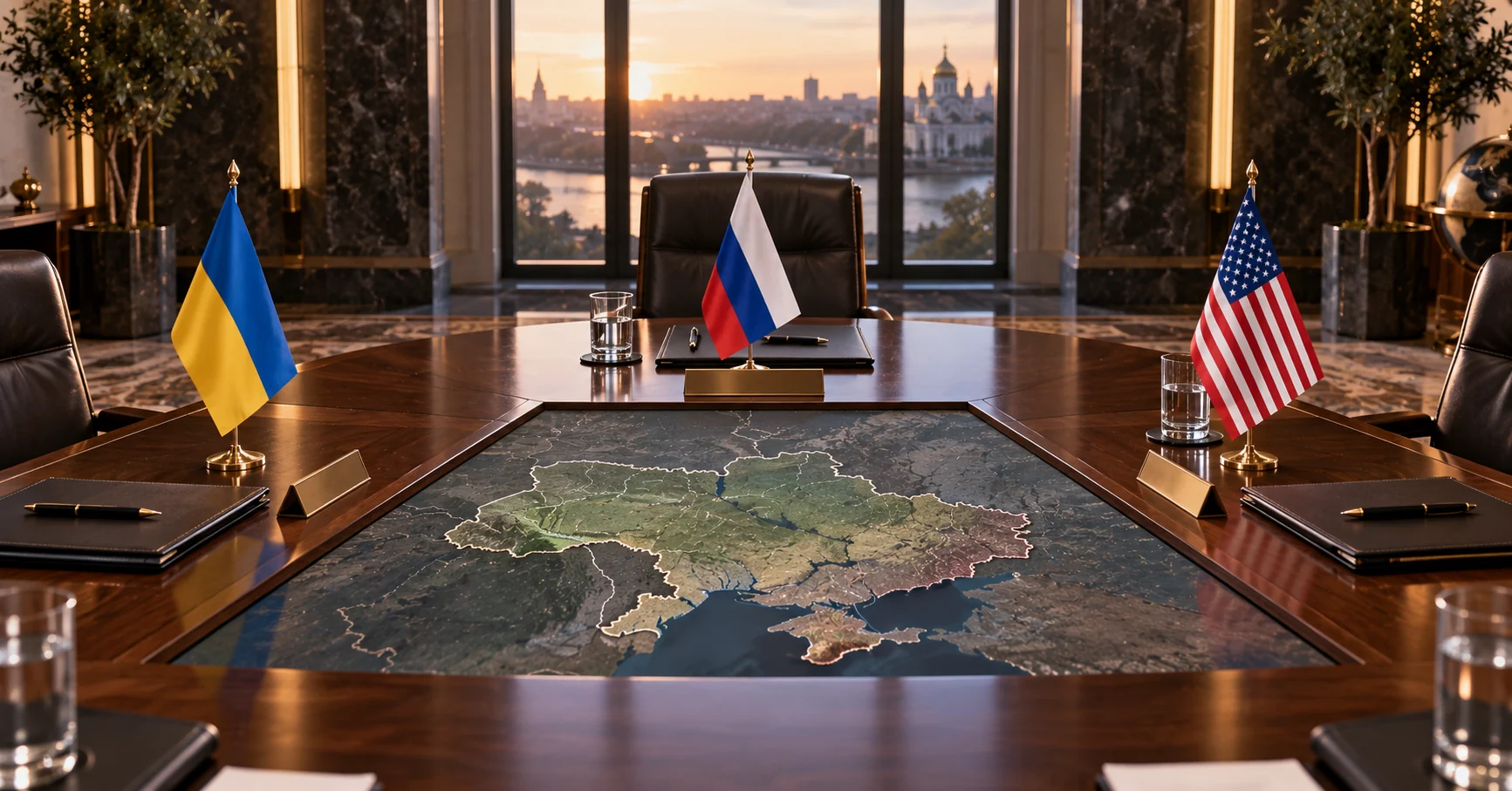
Ukraine says it is preparing for three-way peace talks involving Kyiv, Moscow and Washington to resume in October, potentially restarting a diplomatic process that has largely stalled since February.
Kyrylo Budanov, chief of staff to Ukrainian President Volodymyr Zelenskiy, gave the clearest indication yet of Kyiv’s expectations for another round of negotiations.
“We are getting ready. In October,” Budanov said.
The announcement follows renewed American shuttle diplomacy involving U.S. envoys Steve Witkoff and Jared Kushner, who have recently held talks in Moscow and Kyiv.
The previous trilateral meeting involving Ukraine, Russia and the United States took place in Geneva in February.
The U.S.-led diplomatic process subsequently made little visible progress.
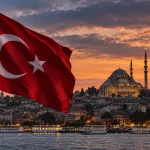
Zelenskiy has said the latest American proposals contain some worthwhile ideas and has suggested Turkey, the United Arab Emirates or Switzerland as possible locations for renewed negotiations.
Russia has said it does not rule out further talks.
But Moscow has not confirmed an October date or agreed venue, meaning another trilateral meeting is not yet settled.
Even if the three sides return to negotiations, the central territorial dispute remains unresolved.
Russia continues to claim Ukrainian-held territory in Donbas that its forces have not captured militarily.
Ukraine has not agreed to surrender that territory.
That distinction is fundamental because restarting negotiations is considerably easier than resolving the issues that caused previous diplomacy to stall.
The timing also matters.
Ukraine has separately warned that it can no longer fully finance its defence requirements from domestic resources as the daily financial cost of the war continues to rise.
That does not establish that Kyiv is preparing for negotiations because it can no longer afford the conflict.
But economic pressure adds another constraint to a war already imposing enormous military, demographic and infrastructure costs.
The next diplomatic test is therefore not simply whether representatives from Ukraine, Russia and the United States can return to the same negotiating table.
It is whether any of the underlying positions have moved sufficiently to make agreement possible.
And even a negotiated ceasefire would leave another question.
Would it represent the beginning of a durable settlement, or merely freeze the conflict until one side believes the military balance has shifted in its favour?
Getting everyone back into the room may be the easy part. What happens when they reach the map?
More to follow.
Source: Reuters, 12 September 2026
Join the Dissenting Citizen Newsletter
Independent news and commentary delivered directly to your inbox.