





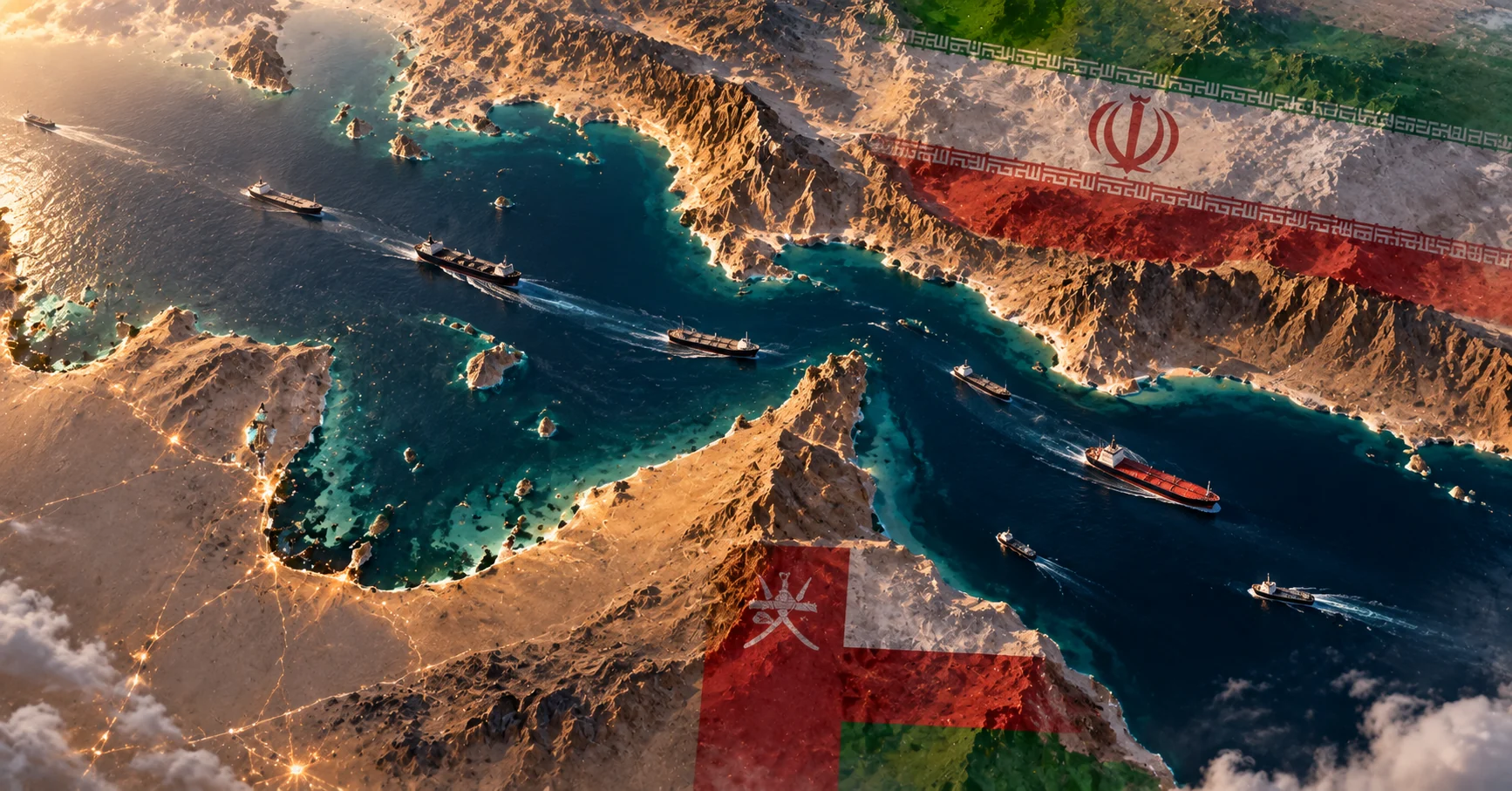
Iran says its emerging understanding with Oman does not provide for the immediate reopening of the Strait of Hormuz and has described the arrangement as a step towards Iranian sovereignty over one of the world’s most important shipping routes.
An Iranian source told the semi-official Tasnim news agency that the understanding instead establishes a framework under which the strait could eventually reopen.
According to the Iranian account, reopening would depend on the United States satisfying conditions set by Tehran.
The source also characterised the emerging arrangement as movement towards Iranian sovereignty over the Strait of Hormuz.
That description requires an important qualification.
It represents Iran’s characterisation of the understanding. Oman has not publicly confirmed that it accepts an Iranian sovereignty claim over the strait.
Separate reporting suggests significant questions remain unresolved.
A senior Iranian official told Reuters that Monday’s planned meeting between Iran and Gulf states in Oman is not expected to produce an immediate signed agreement governing Hormuz.
One point of disagreement concerns Iran’s proposal for a mechanism allowing it to collect fees from vessels using the waterway.
Oman opposes that element.
The disagreement illustrates how dramatically the political question surrounding Hormuz has changed.
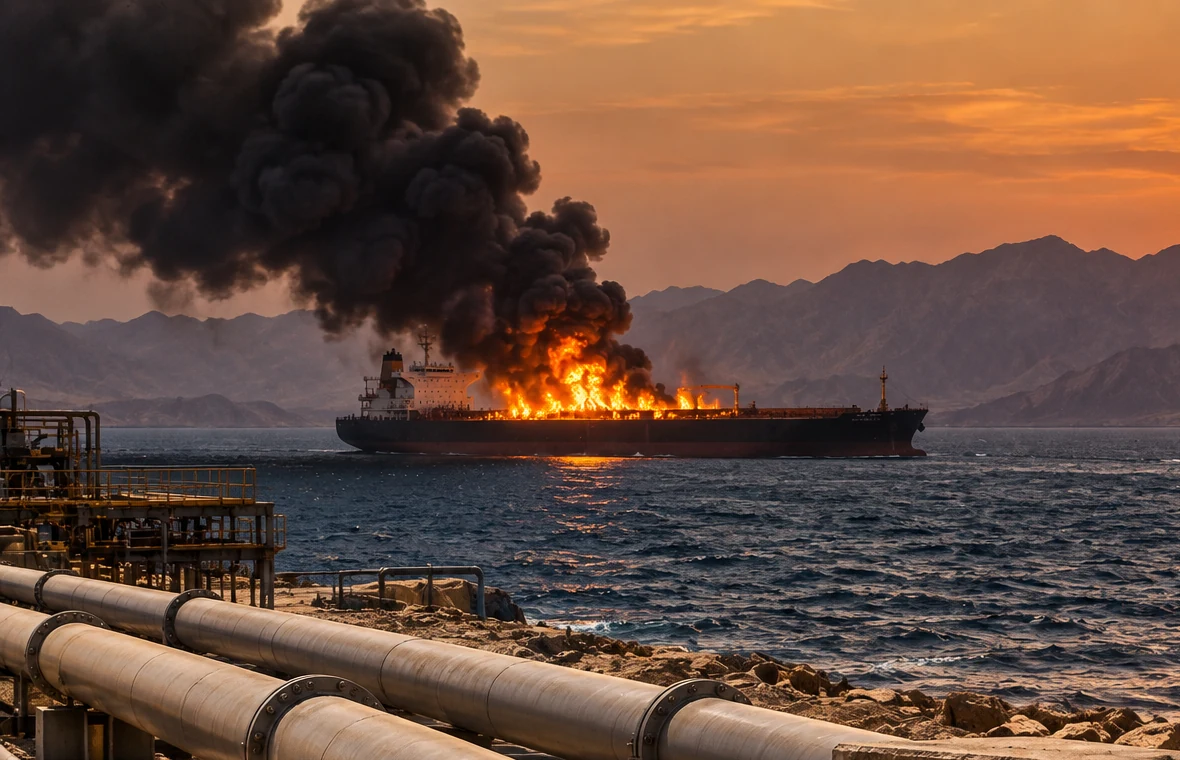
Before the current conflict, approximately 20% of global oil supplies passed through the strait.
Its importance comes from geography.
Hormuz provides the narrow maritime outlet connecting the Persian Gulf with the Gulf of Oman and the wider global shipping system.
The immediate economic concern has therefore been when normal shipping can resume.
But negotiations are increasingly raising a more consequential question: under what rules would it resume?
If an agreement simply restores normal navigation, the eventual settlement could largely return Hormuz to its previous operating environment.
If Iran instead emerges with internationally accepted authority to determine access conditions or collect payments from vessels using the strait, the strategic consequences would be considerably greater.
Control over an economic chokepoint used by such a large share of global energy trade would give Tehran significant leverage extending beyond the present conflict.
None of that has yet been agreed.
Oman’s apparent opposition to Iran’s proposed fee mechanism demonstrates that substantial differences remain.
And Iran’s claim that the emerging understanding represents movement towards Iranian sovereignty should not be mistaken for a jointly accepted settlement.
But the negotiations now appear to concern something larger than reopening a shipping lane.
They concern the political order that might govern it afterwards.
Does a Hormuz agreement restore the old status quo, or legitimise a new Iranian one?
More to follow.
Source: Reuters, 12 September 2026
Join the Dissenting Citizen Newsletter
Independent news and commentary delivered directly to your inbox.