






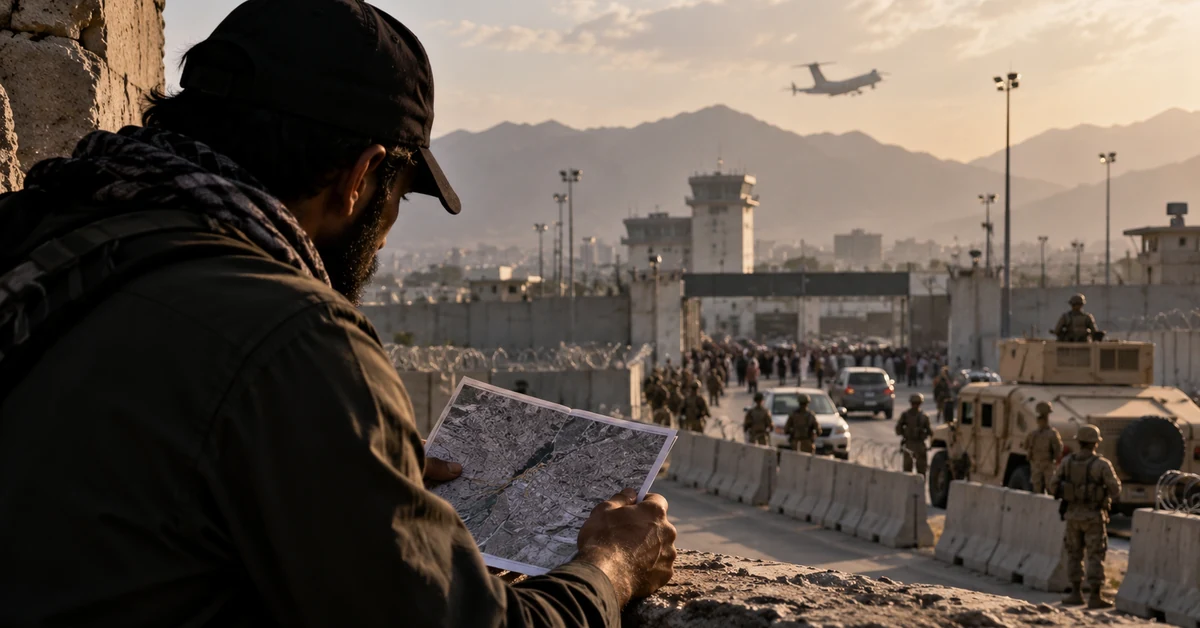
At about 2pm on August 26, 2021, Mohammad Sharifullah rode along a road leading towards Kabul airport.
ISIS-K had given him a simple assignment: check whether Taliban checkpoints would obstruct the route.
Sharifullah reported back that it was clear.
At 5:36pm, ISIS-K suicide bomber Abdul Rahman al-Logari detonated a body-worn explosive at Abbey Gate, killing 13 American servicemembers and approximately 160 Afghan civilians.
Five years later, Sharifullah has been sentenced by a federal court in Virginia to the maximum 20 years in prison.
The Abbey Gate reconnaissance was only one part of what US prosecutors say was nearly a decade spent supporting ISIS-K terrorism.
According to evidence presented at trial, Sharifullah participated in more than a dozen attacks between 2016 and his eventual apprehension in 2025.
He was not always the man carrying the bomb or pulling the trigger.
He performed many of the jobs that allowed other people to do so.
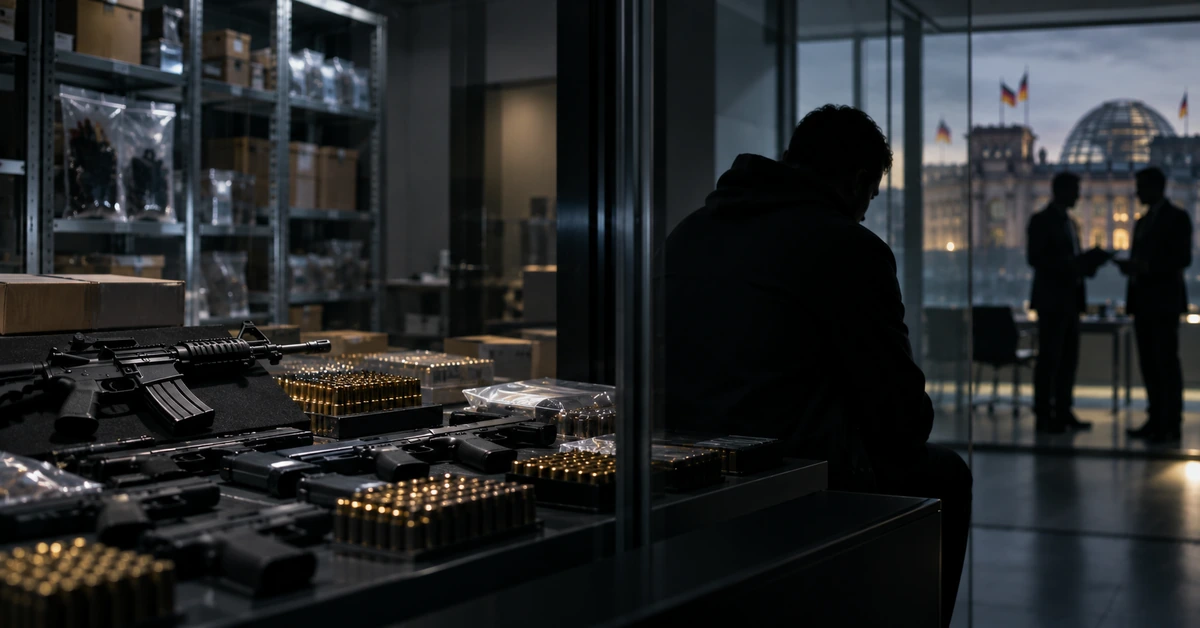
Those included conducting surveillance, transporting suicide bombers, moving and cleaning weapons, carrying messages between ISIS-K personnel and recording explosions for propaganda.
His activities also connected him to attacks separated by thousands of miles and almost eight years.
Before an ISIS-K suicide bombing targeting guards protecting the Canadian embassy in Kabul in June 2016, prosecutors say Sharifullah conducted surveillance and transported the bomber towards the attack site.
Then came Abbey Gate.
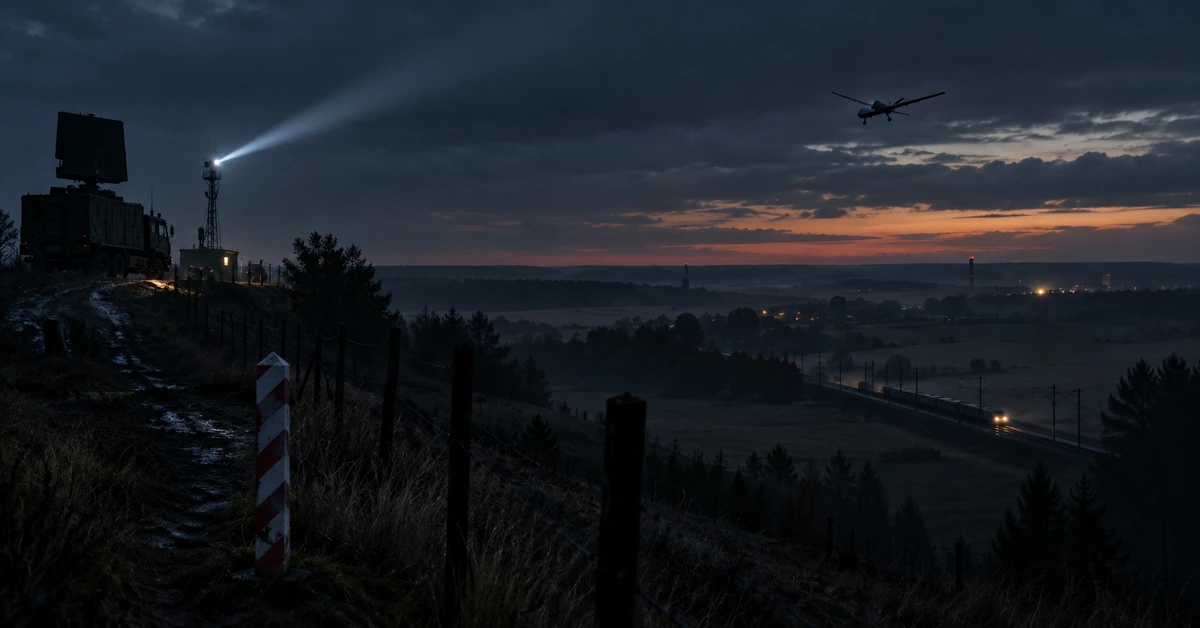
ISIS-K leadership instructed him to examine the route to Kabul airport. Sharifullah travelled it, checked for Taliban checkpoints and told the organisation it was clear.
Hours later, al-Logari – whom Sharifullah knew from their time together in an Afghan prison – carried out the bombing.
By 2024, Sharifullah’s support extended beyond Afghanistan.
Before ISIS-K gunmen attacked Crocus City Hall near Moscow, prosecutors say he provided the attackers with instructions on using AK-style rifles and other weapons and communicated with them during the attack.
More than 100 people were killed.
The pattern reveals something easily obscured by the spectacular violence at the end of a terrorist operation.
A suicide bomber may need somebody to scout his route.
A gunman may need somebody to teach him how to use his weapon.
An organisation may need people to move equipment, relay information and turn the resulting violence into propaganda.
Those people can be far from the explosion when it happens.
They can still be essential to the network that produces it.
There is, however, an important limit to what the American jury found about Sharifullah.
He was convicted of participating in a conspiracy to provide material support to ISIS-K. But jurors did not unanimously find that his support caused the deaths at Abbey Gate.
That distinction mattered enormously.
When Sharifullah was brought to the United States in 2025, the charge involving material support resulting in death exposed him to a possible life sentence.
Without the necessary unanimous finding linking his conduct legally to those deaths, the maximum sentence for the offence proved was 20 years.
His lawyers also argued that he was not an ISIS-K leader and challenged the reliability of admissions obtained following his detention in Pakistan.
The jury nevertheless concluded that his years of support for ISIS-K had been proved beyond reasonable doubt.
Sharifullah’s case therefore illustrates both sides of a terrorism network.
There are the people whose names become synonymous with an atrocity because they detonate the bomb or open fire.
And there are the people behind them who scout the road, move the weapons, transport the attacker and pass the message.
One produces the moment of terror.
The other helps make the moment possible.
Sources
- US Department of Justice – Sharifullah sentenced to 20 years for ISIS-K support
- Associated Press – sentencing, jury limitation and defence arguments
Join the Dissenting Citizen Newsletter
Independent news and commentary delivered directly to your inbox.
Breaking stories, analysis and commentary throughout the day.
Follow @VoxDissent →