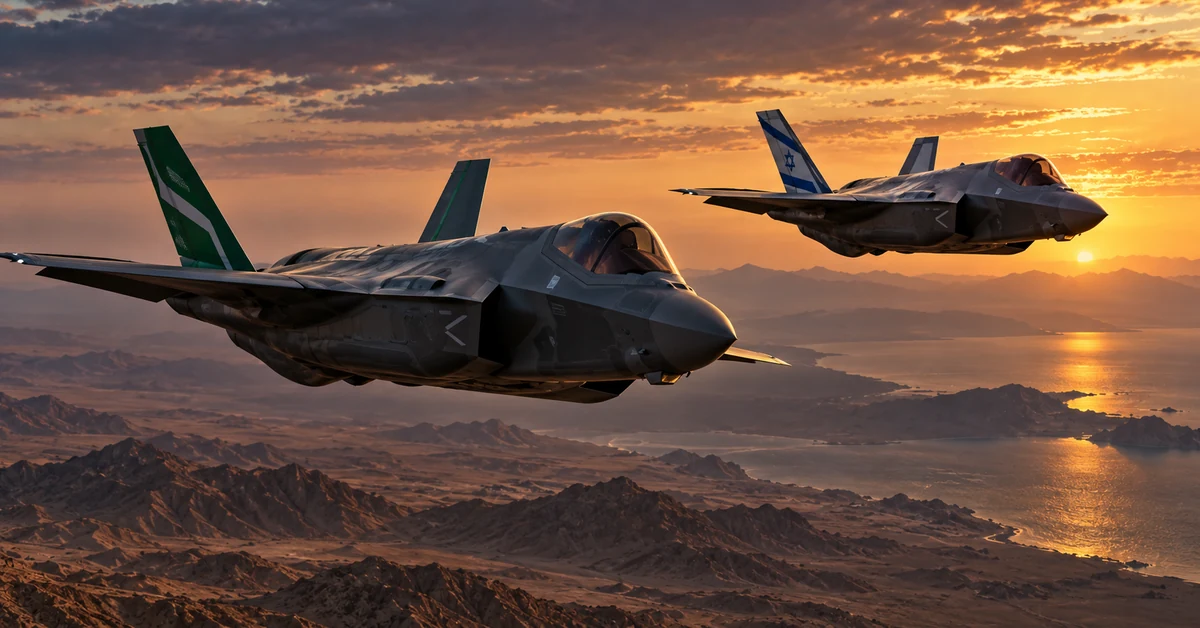







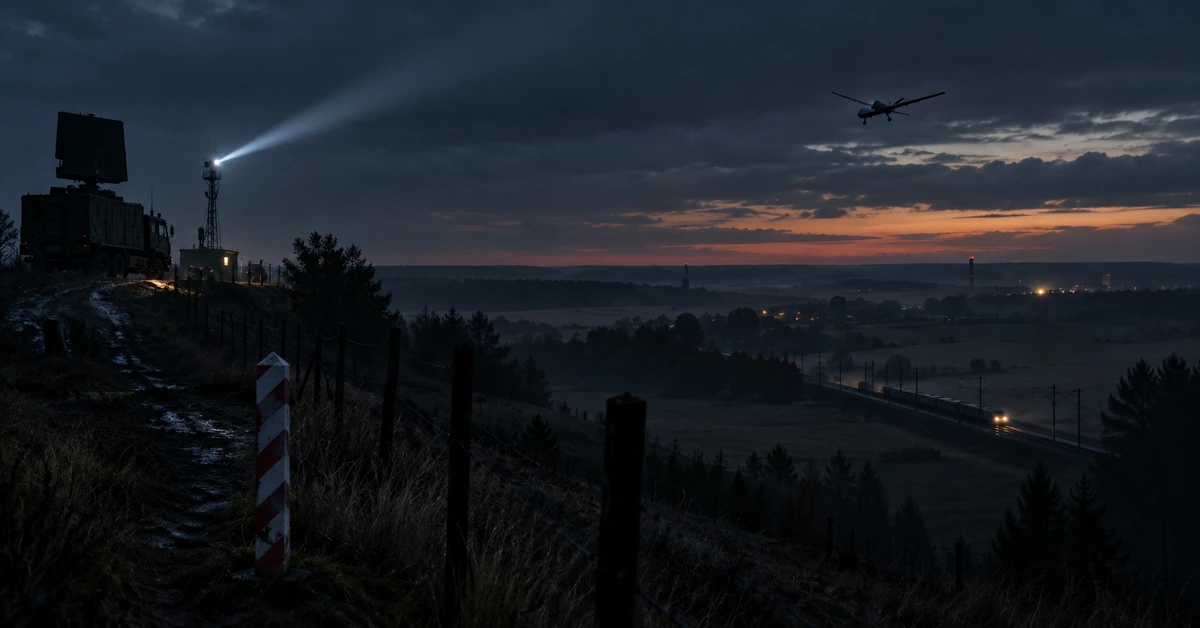
Polish Prime Minister Donald Tusk has publicly warned that Russia may deliberately send drones or missiles into NATO territory and then describe the incursions as “accidents.”
Russian drones have entered Polish airspace before. What is specific about Tusk’s latest warning is the alleged intent: that Moscow could deliberately create future incursions while exploiting uncertainty over whether they were really attacks.
So what does saying that publicly now achieve?
Tusk told parliament that intelligence assessments indicate Russia may be preparing hybrid attacks against European countries supporting Ukraine, including Poland. The underlying intelligence supporting that assessment has not been made public, so outsiders cannot independently examine it.
800 metres from Poland
The warning comes as Russian attacks inside Ukraine have moved remarkably close to Polish territory.
On 13 September, a Russian drone struck a truck around 800 metres from the Polish border. Another struck a passenger train about 2km away, shortly after a train carrying Boris Johnson, former Swedish prime minister Carl Bildt and other senior European figures had travelled along the same route.
Ukrainian Railways suggested the diplomatic train may have been the intended target. That has not been established.
Tusk had already been warning about increased Russian provocations before those attacks. But they demonstrate the problem his latest assessment asks NATO to confront.
Weapons operating that close to Poland can cross the border accidentally.
Tusk says Russia may deliberately exploit that possibility.
An accident aimed at what?
That raises another question about the alleged strategy.
A drone accidentally crossing the border and crashing into an empty field is one thing. A supposedly accidental weapon crossing the border and hitting strategically useful infrastructure would be another.
If Russia’s purpose were merely to test NATO’s response, an incursion might itself have value. If the intention were to conduct an actual attack while retaining plausible deniability, what the weapon was apparently heading towards would become central evidence.
The recent Polish airspace incursions therefore provide context, but not proof of the strategy Tusk now describes. Nor could Tusk’s warning establish the purpose of the next one.
A future assessment would still have to examine the weapon’s trajectory, guidance, target, circumstances and whatever intelligence was available about Russian intent.
Why announce it?
Publicising the assessment could serve several purposes.
It could deter Russia by warning that Poland is specifically watching for deliberate incursions disguised as mistakes. It could signal that Warsaw will scrutinise any future Russian explanation of an accidental crossing. And it could prepare the Polish public for further confrontation.
Tusk is not the only European figure asking the public to think more seriously about the possibility of conflict, although that does not establish any coordinated communications strategy.
In Britain, the government is updating its decades-old emergency “war book” and encouraging greater civilian resilience. Britain’s Chief of the Defence Staff, Sir Richard Knighton, has described the current period as the most dangerous of his 35-year military career.
Against that background, the BBC has published a prominent feature asking: “War may be coming. Are we psychologically ready?”
Its article includes competing views, including psychologist Jim Orford’s argument that Britain is already well into what he calls the “contemplating war” phase.
That is useful context, not evidence that the BBC and Tusk are delivering the same organised message.
The next incursion
If another Russian weapon enters Poland, Tusk’s warning will form part of the intelligence background against which officials assess it.
It cannot settle what happened.
A drone apparently heading towards a military installation may present different evidence from one malfunctioning and falling into farmland. Previous intelligence about a possible Russian deception strategy could inform either investigation, but it could not substitute for evidence from the incident itself.
That distinction becomes more important as governments ask their populations to take the possibility of conflict more seriously.
Advance intelligence can tell NATO what to look for.
It cannot determine what the next incident means.
Sources
- Euronews – Tusk: intelligence sees Russian plan for drone strikes on Poland and allies
- Reuters – Russian drone hits train near Ukraine-Poland border
- NATO – Statement on Russian drone incursions into Polish airspace
- House of Commons Library – Home defence: What is the War Book?
- BBC – War may be coming. Are we psychologically ready?
Join the Dissenting Citizen Newsletter
Independent news and commentary delivered directly to your inbox.
Breaking stories, analysis and commentary throughout the day.
Follow @VoxDissent →