



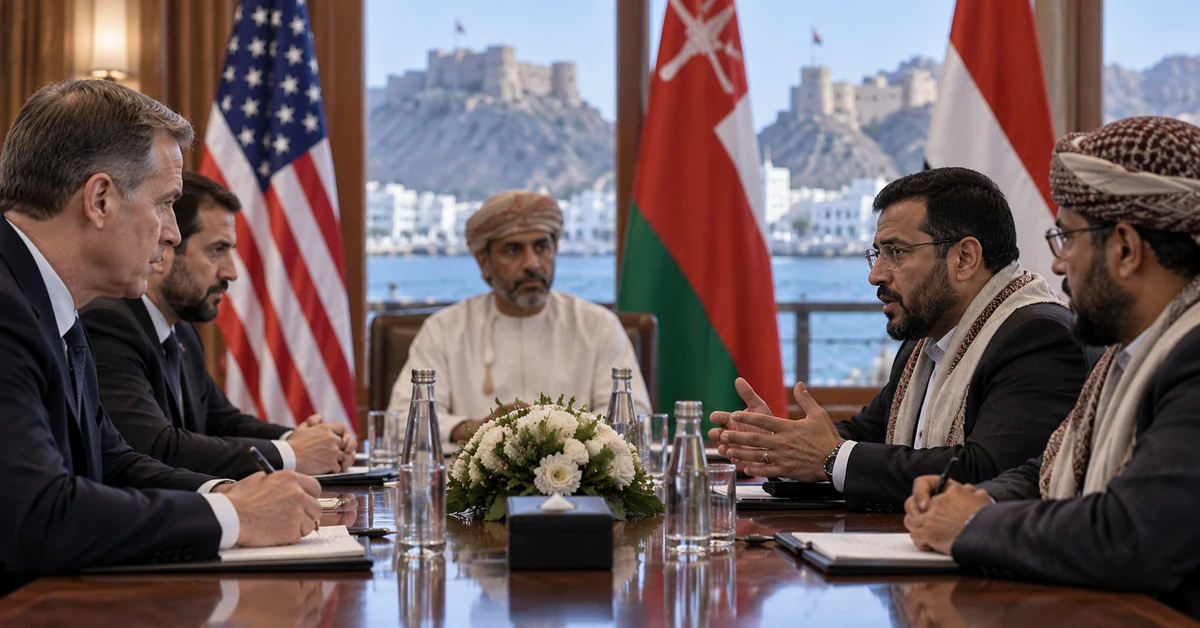
US officials secretly met representatives of Yemen’s Houthi movement in Oman over the weekend, including a sanctioned senior Houthi official, as Washington seeks to keep American and commercial shipping out of the escalating Saudi-Houthi conflict.
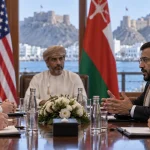
Five sources told Reuters that the talks took place at the US Embassy in Muscat, with Oman helping to arrange the meeting.
The Houthi delegation reportedly included chief negotiator Mohammad Abdulsalam, who is under US sanctions, and Abdelmalik al-Ajiri.
The State Department did not formally confirm the meeting.
The talks are particularly striking because the Trump administration has designated the Iran-aligned Houthis as a foreign terrorist organisation.
Houthis reportedly promise not to attack US ships
According to Reuters’ sources, Houthi representatives told US officials that they remained committed to their 2025 ceasefire with Washington and did not intend to attack American vessels.
One Yemeni source said the Houthis also undertook not to attack Israeli or other commercial shipping, with the exception of Saudi vessels.
That reported commitment has not been publicly confirmed by Washington.
It would nevertheless draw a clear boundary around the conflict the United States is attempting to maintain.
Saudi Arabia is fighting an increasingly difficult confrontation with the Houthis.
Washington does not want American forces or wider Red Sea shipping pulled into it.
Washington declines Saudi requests
The meeting follows major Houthi territorial gains along Yemen’s Red Sea coast and increasing pressure on Saudi Arabia.
Riyadh has sought direct American military assistance, but Washington has declined to intervene in the fighting on Saudi Arabia’s behalf.
The United States is instead talking directly to the organisation attacking its ally.
There is less contradiction in that than the legal terminology initially suggests.
A terrorist designation provides governments with sanctions, financial restrictions and other tools for isolating an organisation.
It does not eliminate the organisation’s military capabilities or territorial control.
The Houthis now control strategically important territory around one of the world’s most important shipping corridors.
Designation meets geopolitical reality
The United States has previously fought the Houthis and continues to classify them as terrorists.
It also appears to have concluded that direct communication can help keep American ships and other commercial traffic outside the current war.
The immediate American objective therefore appears narrower than defeating the Houthis.
Washington wants to preserve its ceasefire with them and prevent the Saudi-Houthi conflict from spreading into a wider confrontation involving US forces or international shipping.
That produces an uncomfortable but familiar feature of international politics.
Governments can sanction an organisation, condemn it and still negotiate with it.
Calling an adversary a terrorist does not remove the reasons you may eventually have to talk to them.
Sources
- Reuters – US officials reportedly met Houthi representatives in Oman
- Axios – US-Houthi discussions over Red Sea shipping
Join the Dissenting Citizen Newsletter
Independent news and commentary delivered directly to your inbox.
Breaking stories, analysis and commentary throughout the day.
Follow @VoxDissent →