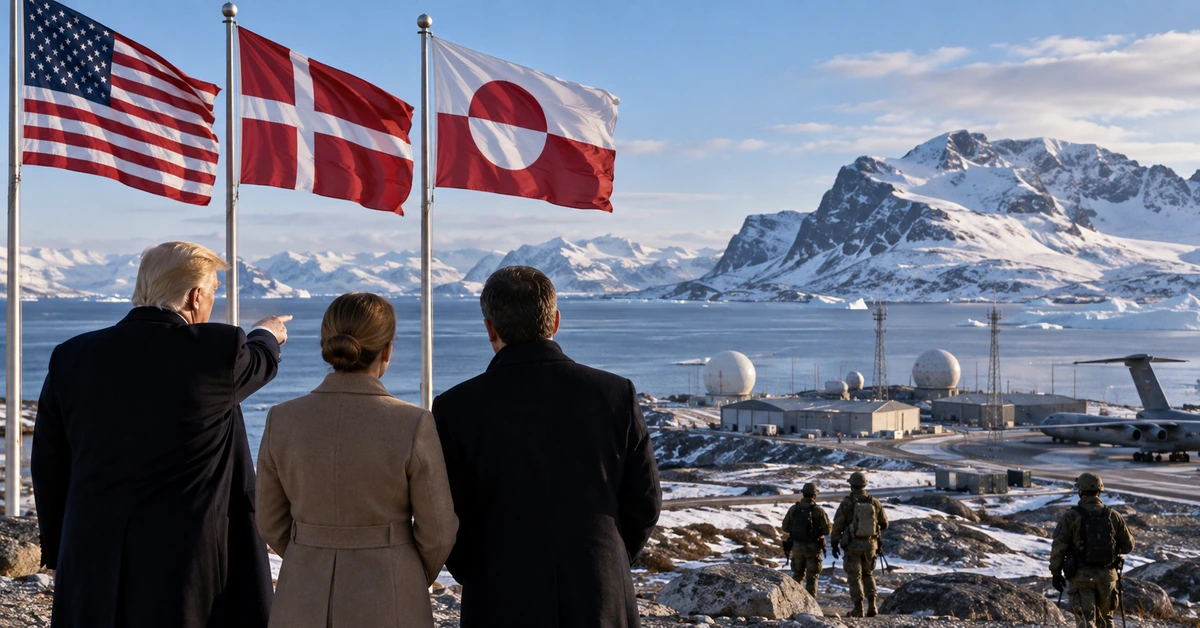



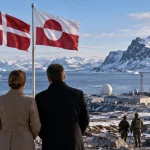


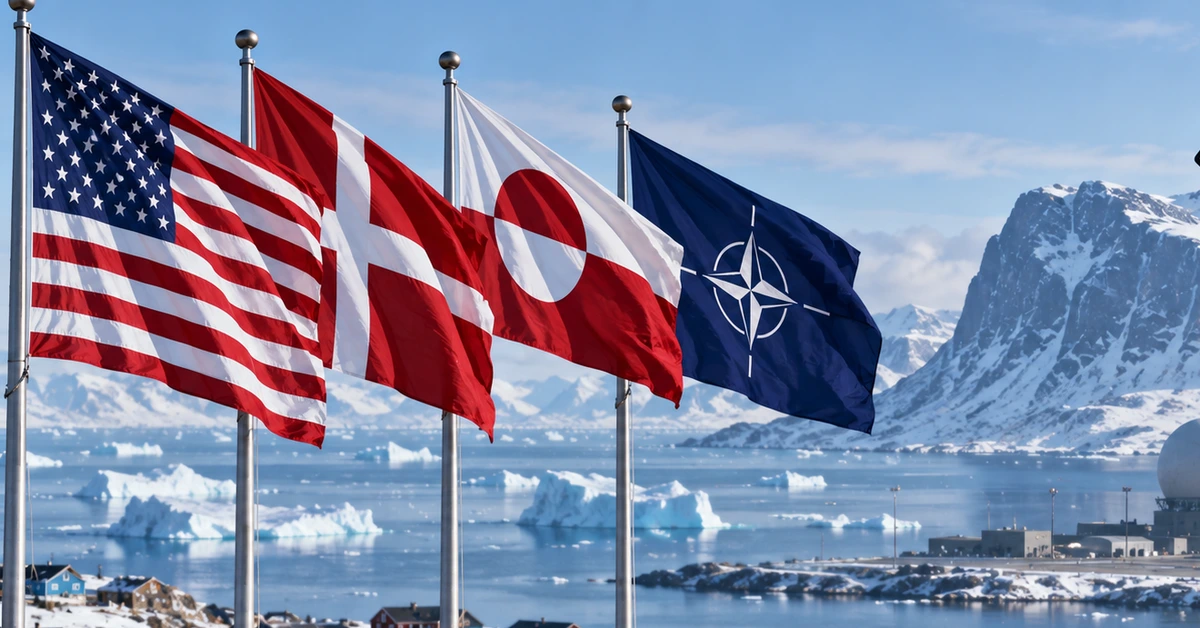
Denmark, Greenland and the United States are expected to sign a new Arctic security agreement on Tuesday, September 22, shifting greater responsibility for the region’s defence towards NATO.
Danish Foreign Minister Lars Løkke Rasmussen says the agreement will change an arrangement under which Arctic security has rested primarily with Denmark and the United States, with NATO assuming a larger role.
The agreement itself has not yet been published, leaving important questions about its precise legal and military implications unanswered.
Trump claims ‘permanent control’
President Donald Trump has described the agreement in considerably stronger terms.
Trump says the United States will gain “permanent control” over Greenland’s security and that adversaries will not be permitted to establish a military presence there without American approval.
That description immediately raises questions about how much authority the agreement actually gives Washington.
Denmark’s public account uses different language.
Copenhagen says the agreement recognises Danish sovereignty and territorial integrity, as well as Greenlanders’ right to self-determination.
Those positions are not necessarily incompatible, depending on what security powers the agreement delegates and how they are defined.
But the unpublished text will determine exactly what has been agreed.
NATO takes larger Arctic role
The agreement comes as the Arctic assumes increasing strategic importance for NATO.
Russia maintains substantial military infrastructure across its Arctic territory, while China has sought a larger economic and strategic presence in the region.
Greenland’s geography also makes it particularly important to North American defence.
The island hosts the US Pituffik Space Base, which plays a role in missile warning, missile defence and space surveillance.
Greater NATO responsibility would broaden Arctic defence beyond the longstanding bilateral relationship between Washington and Copenhagen.
Questions remain over existing defence agreement
It is not yet clear whether Tuesday’s agreement will modify the 1951 US-Danish defence agreement, which established the framework for the American military presence in Greenland.
That question matters because expanding US authority under an existing defence arrangement would be different from transferring new sovereign powers.
The distinction is particularly important given Trump’s description of American “permanent control”.
Denmark says its sovereignty remains protected.
Greenland’s right to determine its own future is also explicitly part of Copenhagen’s description of the agreement.
Until the document is published, the extent of Washington’s new authority cannot be established from those competing political descriptions alone.
The agreement may significantly reshape Arctic defence. Exactly how far it goes will depend on what Denmark, Greenland and the United States have actually put in writing.
Join the Dissenting Citizen Newsletter
Independent news and commentary delivered directly to your inbox.
Breaking stories, analysis and commentary throughout the day.
Follow @VoxDissent →