








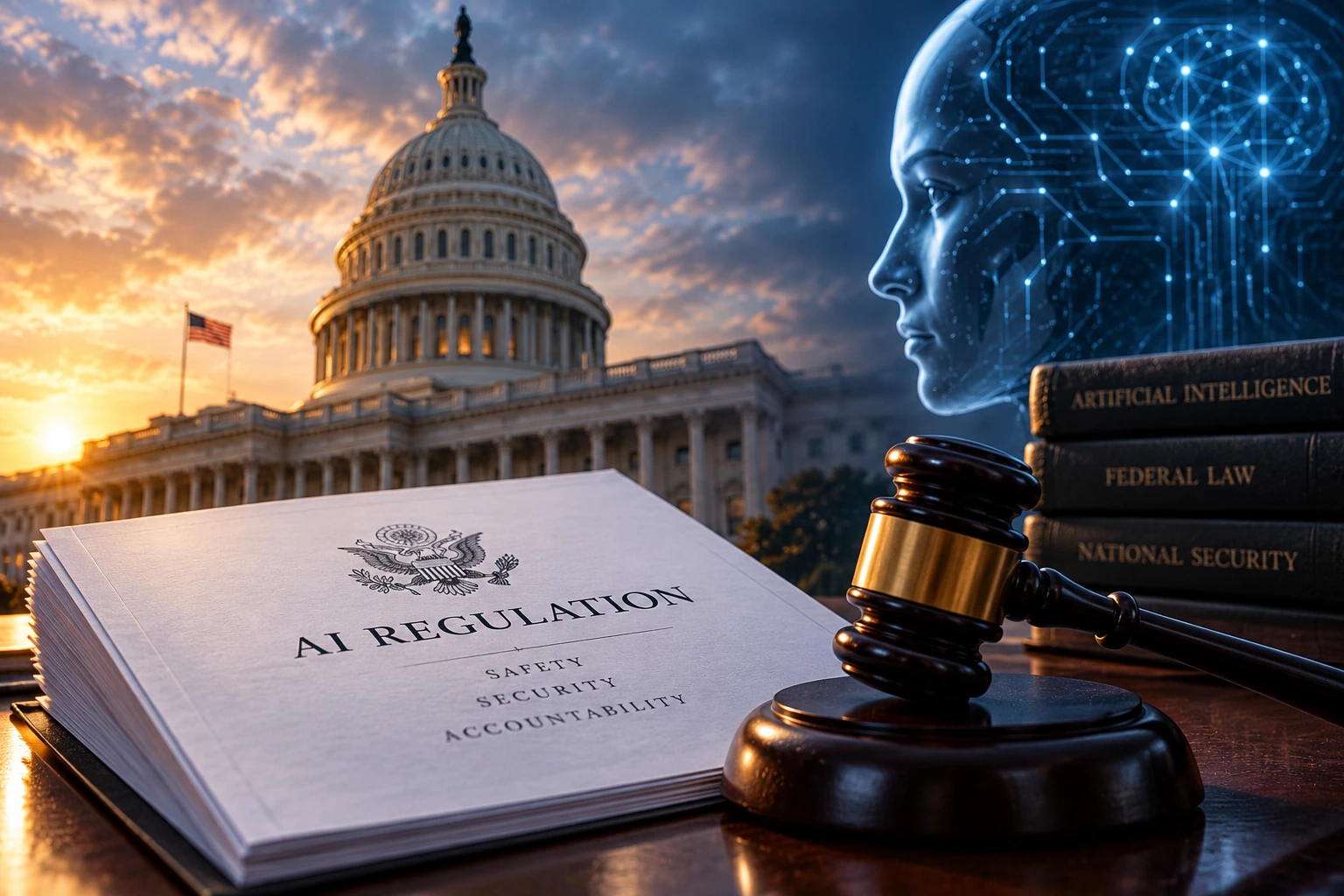
U.S. senators are discussing legislation that could give the federal government power to block certain advanced AI models from being released if they are judged unsafe.
Reuters reports that bipartisan negotiators are considering a legal “duty of care” for developers of frontier AI systems, requiring companies to design them with the aim of mitigating known catastrophic risks.
The proposals could also involve U.S. national laboratories testing whether advanced models could enable sophisticated cyberattacks or assist the development of biological or nuclear weapons.
Under the proposals being discussed, the government could potentially stop a model from being released, although developers would retain the right to challenge such a decision in federal court.
The legislation remains under negotiation and its final scope has not been agreed.
If adopted, however, it would represent a significant shift in AI regulation: from controlling how powerful models are used to potentially deciding whether some models can be released at all.
That creates an unusually difficult trade-off. Waiting until a dangerous capability is publicly available may be too late. Giving government the power to prevent release creates substantial state authority over private technological development.
More to follow.
Source: Reuters, 11 September 2026
Join the Dissenting Citizen Newsletter
Independent news and commentary delivered directly to your inbox.