







Europol has confirmed six arrests and 10 house searches as part of a 17-country investigation into an alleged criminal network suspected of smuggling migrants from mainland Europe to the UK by air. The coordinated operation took place across Austria, Italy, Spain and the United Kingdom, with Europol specialists deployed to Italy and Britain to support national authorities.
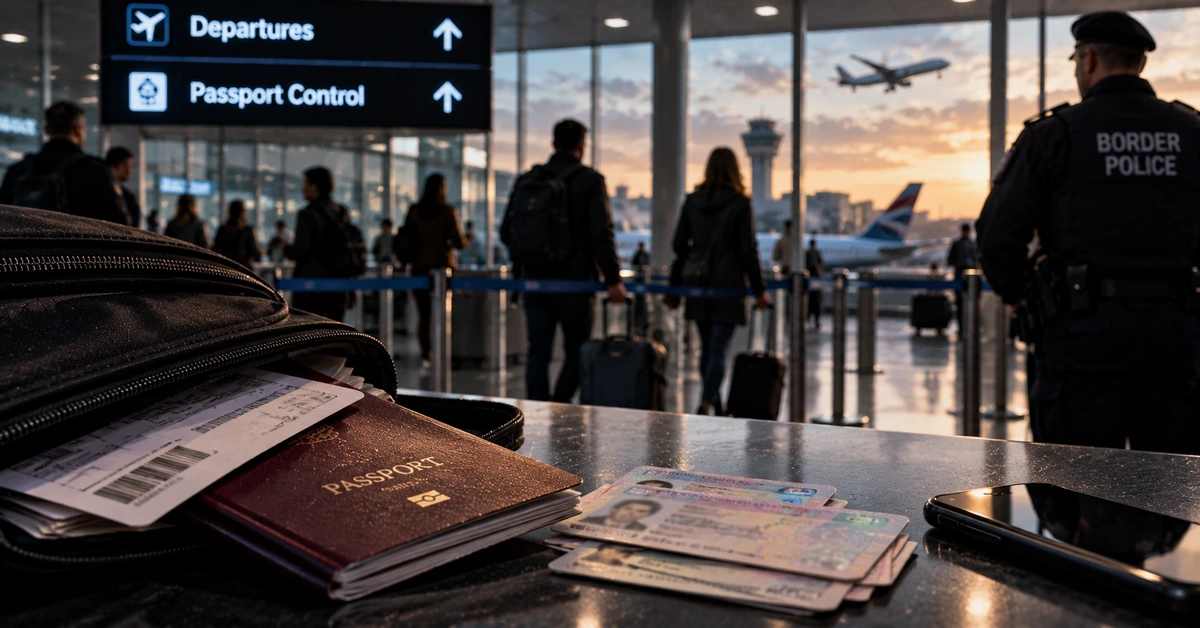
According to Europol, the network allegedly relied heavily on fraudulent identity documents to move migrants through Schengen and Schengen-associated airports. Many of those involved are said to have initially entered the EU using genuine passports and, in some cases, valid Schengen tourist visas. Once inside Europe, they allegedly discarded those documents and obtained counterfeit identities supplied by the network before continuing their journeys.
Investigators believe the organisation operated through several cells across Europe and was involved not only in migrant smuggling but also document fraud and money laundering. A cell based in Spain is suspected of distributing more than 1,000 fraudulent identity documents, which Europol says were sent from the United Arab Emirates to destinations across Europe, North and South America and the Caribbean.
The scale of the financial investigation is also significant. Investigative leads suggest the wider network generated more than €2 million in criminal proceeds, while a Vienna-based cell allegedly used mobile-phone businesses to launder money as well as helping to supply fraudulent documents. The wider operation involved authorities from 17 countries.
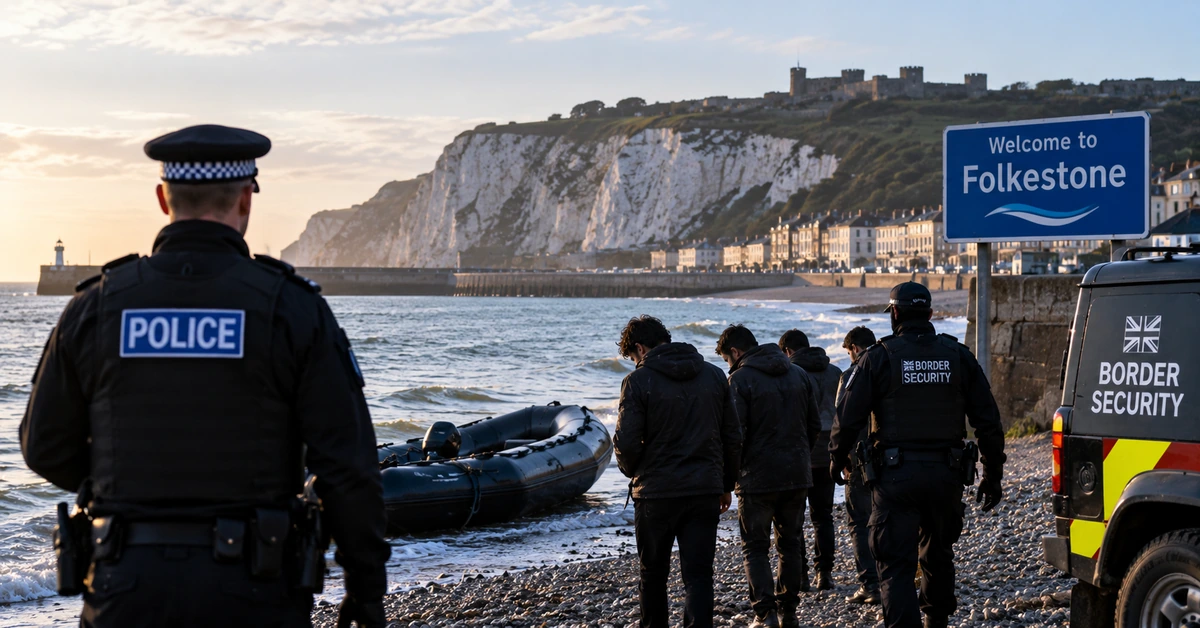
The case highlights a different route into Britain from the small boats dominating the immigration debate. Europol’s allegations describe people entering the Schengen area through conventional channels before allegedly changing identities and travelling onwards by air. That makes document verification, financial investigation and international policing important parts of border enforcement alongside efforts to disrupt Channel crossings.
The investigation remains ongoing and the allegations against the suspects and wider network have not resulted in convictions. But the alleged method is striking: a genuine passport or tourist visa to enter Europe, a counterfeit identity supplied afterwards, and an onward journey towards Britain by air rather than across the Channel in a small boat.
Sources
Join the Dissenting Citizen Newsletter
Independent news and commentary delivered directly to your inbox.
Breaking stories, analysis and commentary throughout the day.
Follow @VoxDissent →