








Paris prosecutors have opened at least one investigation following complaints that women were filmed in public through smart glasses without their consent and the footage subsequently posted online.
The investigation follows a social-media trend involving recordings made using wearable cameras that can resemble conventional glasses.
French privacy regulator CNIL says companies are also increasingly asking whether they can ban smart glasses in the workplace, as the technology becomes more widely used.
Prosecutors have not identified the brand of glasses involved in the French complaints.
Seven million units sold
Meta is currently the dominant manufacturer in the smart-glasses market.
Reuters reports that its AI-enabled glasses account for approximately 76% of global sales, with around seven million units sold last year.
That does not establish any connection between Meta products and the incidents being investigated in France.
The wider concern is created by cameras becoming considerably less conspicuous than conventional recording devices.
A person pointing a smartphone camera towards somebody provides an obvious indication that recording may be taking place.
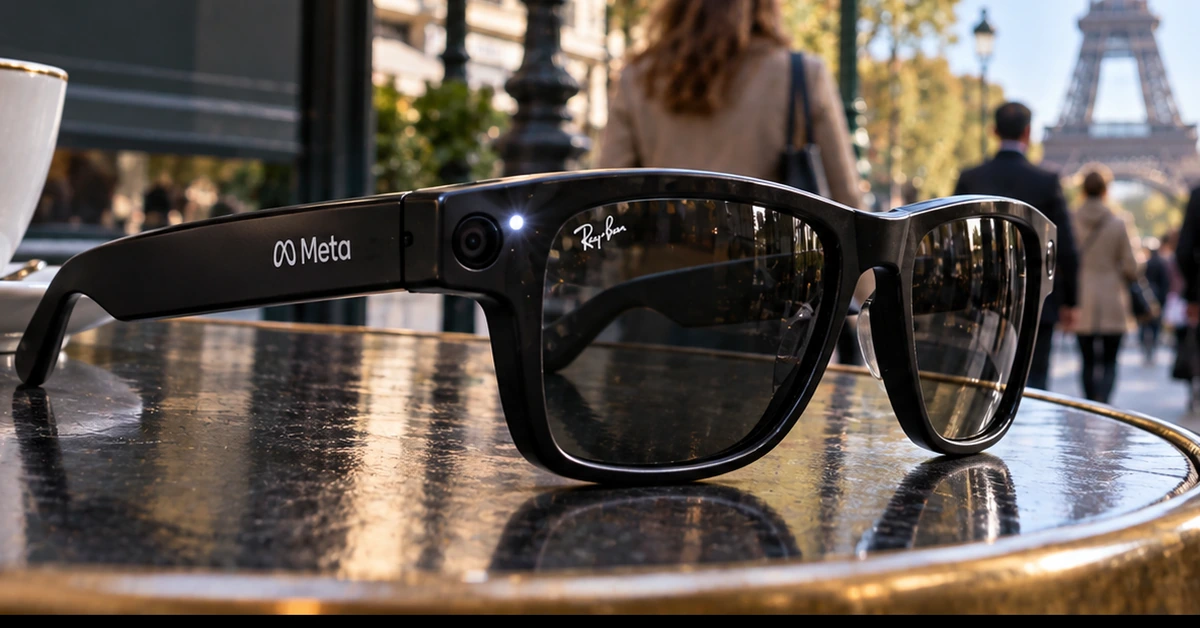
A camera incorporated into ordinary-looking glasses can be substantially harder for people nearby to recognise.
Smart glasses generally include indicators intended to signal when recording is taking place, but regulators and businesses are now confronting whether those signals provide sufficient notice in workplaces and public spaces.
Restrictions already emerging
The issue is not confined to France.
Some cinemas in the UK have already prohibited smart glasses, while Australia is considering restrictions on camera-equipped models inside government workplaces.
Employers potentially have additional concerns where wearable cameras could capture confidential documents, computer screens, conversations or other employees without people immediately realising that recording is taking place.
The French investigation concerns specific allegations that remain under investigation.
But the broader privacy problem extends beyond those cases.
As cameras become small enough to disappear into objects people routinely wear, recognising when somebody is recording may become considerably harder.
Sources
Join the Dissenting Citizen Newsletter
Independent news and commentary delivered directly to your inbox.
Breaking stories, analysis and commentary throughout the day.
Follow @VoxDissent →